
HELP ME MOVE
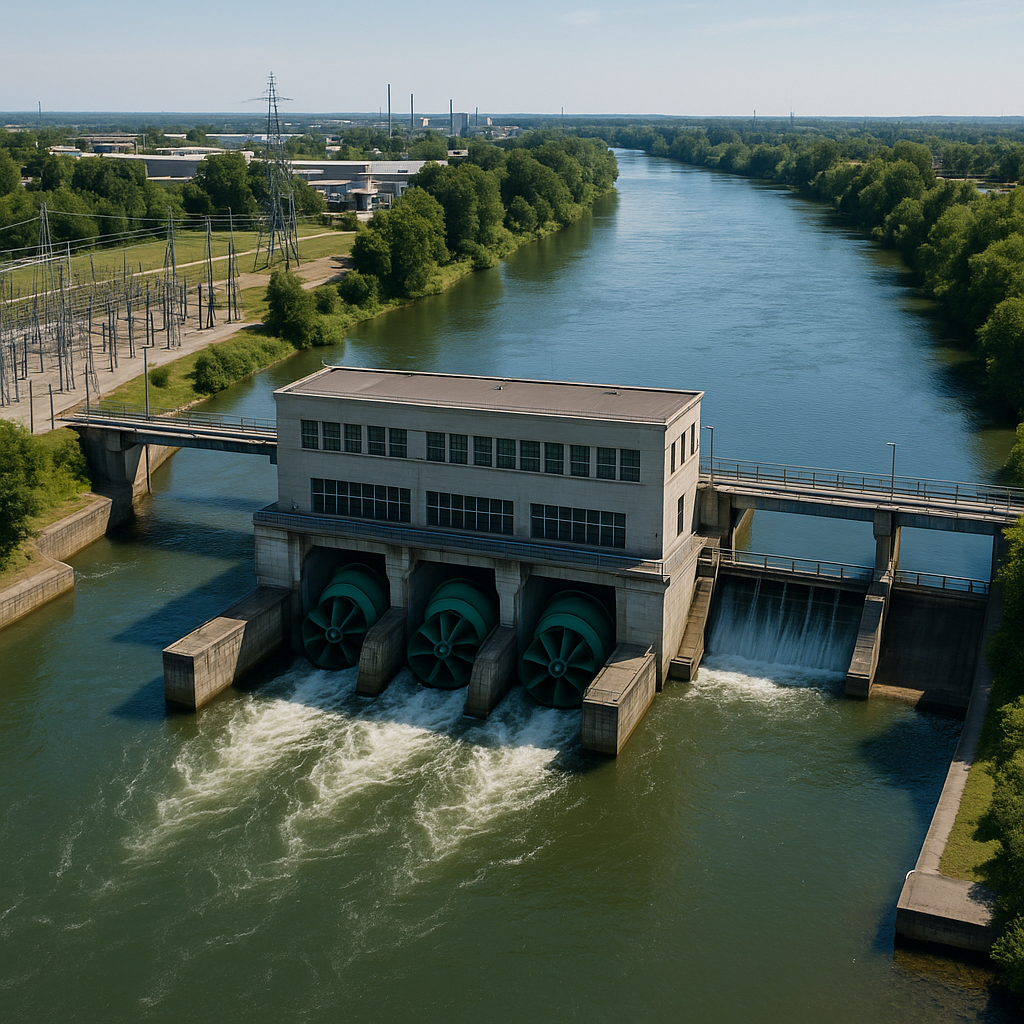
Strategic site selection for hydropower facilities can unlock significant cost savings, operational efficiency, and long-term competitive advantages for businesses seeking reliable, clean energy sources.
The foundation of any successful hydropower facility begins with comprehensive geographic and hydrological assessment. Water flow characteristics, including volume, velocity, and consistency throughout seasonal cycles, directly determine the energy generation capacity and reliability of a hydropower installation. Sites with year-round consistent flow patterns provide stable baseload power, while locations subject to significant seasonal variation require careful planning to ensure continuous operation and revenue generation.
Topographical features play an equally critical role in determining site viability. The vertical drop, or head, between water intake and turbine placement fundamentally impacts energy conversion efficiency. Higher head installations can generate more power with less water volume, making steep terrain advantageous for maximizing output. Additionally, natural geographic features such as existing waterways, gorges, or elevation changes can substantially reduce infrastructure development costs compared to sites requiring extensive civil engineering modifications.
Regional watershed analysis provides essential insights into long-term water availability and climate resilience. Understanding upstream water usage, precipitation patterns, and potential drought conditions helps project developers assess risk and establish realistic performance projections. Sites located in watersheds with diverse water sources and robust regulatory protections offer greater security for sustained operations over the typical 50-year lifespan of hydropower facilities.
Proximity to existing transmission infrastructure significantly impacts project economics and time-to-operation. Sites located near high-capacity transmission lines can reduce interconnection costs by millions of dollars while accelerating the timeline from construction to revenue generation. The distance to substations, voltage capacity of nearby lines, and available transmission capacity all factor into the financial viability of potential locations. Regions with robust electrical grid infrastructure and forward-thinking utility partnerships provide competitive advantages for hydropower development.
Transportation access for construction materials, heavy equipment, and ongoing maintenance operations represents another critical infrastructure consideration. Sites requiring new road construction or limited to remote access methods face substantially higher development and operational costs. The Buffalo Niagara region exemplifies ideal infrastructure conditions, offering extensive road, rail, and water transportation networks that support efficient project development and long-term operational sustainability.
Grid connectivity extends beyond physical infrastructure to include regulatory frameworks governing power purchase agreements and market access. Understanding regional electricity demand, wholesale pricing structures, and opportunities for long-term contracts with utilities or commercial customers ensures predictable revenue streams. Locations within regions experiencing growing electricity demand or those prioritizing renewable energy procurement offer enhanced market opportunities for hydropower developers.
Navigating the regulatory landscape represents one of the most complex aspects of hydropower site selection. Federal licensing through the Federal Energy Regulatory Commission requires comprehensive environmental impact assessments, fish passage studies, and water quality monitoring protocols. Sites with minimal environmental sensitivity, existing water infrastructure, or previous hydroelectric operations can substantially reduce permitting timelines and associated costs. Understanding state-level regulations, local zoning requirements, and water rights frameworks early in the site selection process prevents costly delays and project redesigns.
Environmental compliance extends throughout the operational lifecycle of hydropower facilities. Sites must demonstrate minimal impact on aquatic ecosystems, including fish populations, water temperature, dissolved oxygen levels, and downstream flow patterns. Modern turbine technologies and operational practices can mitigate many environmental concerns, but site selection should prioritize locations where natural conditions align with regulatory requirements. Facilities that incorporate fish-friendly turbine designs, bypass systems, and habitat enhancement measures not only meet compliance standards but also build community support and regulatory goodwill.
Stakeholder engagement and community relations form an often-overlooked component of regulatory success. Early consultation with environmental organizations, indigenous communities, recreational users, and local governments helps identify concerns and develop collaborative solutions. Sites within regions that demonstrate strong support for renewable energy development and economic growth initiatives face fewer regulatory obstacles and benefit from streamlined approval processes.
Comprehensive financial modeling must account for the complete spectrum of development costs, operational expenses, and revenue projections over the project lifecycle. Capital expenditures include civil works, electromechanical equipment, transmission interconnection, and environmental mitigation measures. Sites that minimize excavation requirements, utilize existing structures, or benefit from favorable geology can achieve significant cost advantages. Operational costs encompass maintenance, insurance, property taxes, and ongoing environmental monitoring, with efficient sites demonstrating operating cost ratios below fifteen percent of gross revenue.
Strategic regions offer substantial economic incentives that dramatically improve project returns. New York State provides some of the nation's most competitive incentive structures for renewable energy development, including investment tax credits, accelerated depreciation schedules, and property tax abatements through Industrial Development Agencies. Access to low-cost hydropower from Niagara Falls creates unique opportunities for energy-intensive manufacturing operations to co-locate with new hydroelectric facilities, establishing integrated energy and production ecosystems that maximize value creation.
Federal incentives complement state and local programs to create compelling financial frameworks for hydropower investment. The Investment Tax Credit for qualified hydropower facilities, combined with opportunities available through programs like the Excelsior Jobs Program, can reduce effective project costs by thirty to forty percent. Additionally, green financing options, including environmental bonds and sustainability-linked loans, offer favorable interest rates for projects demonstrating environmental benefits. Regions like Buffalo Niagara, with established relationships between economic development organizations, utilities, and financial institutions, provide comprehensive support for navigating incentive applications and optimizing financial structures.
Long-term revenue stability depends on careful market analysis and strategic contracting approaches. Power purchase agreements with creditworthy utilities or corporate offtakers provide predictable cash flows that support project financing and investor confidence. Markets with renewable portfolio standards, clean energy mandates, or carbon pricing mechanisms offer premium pricing opportunities for hydropower generation. Sites positioned to serve growing industrial clusters, particularly in advanced manufacturing or data center sectors with substantial power requirements, can establish advantageous direct supply relationships that bypass wholesale market volatility.
Successful hydropower facilities require access to skilled technical talent throughout their operational lifespan. Electrical engineers, mechanical technicians, environmental specialists, and control systems experts form the core workforce supporting reliable plant operations. Regions with robust educational ecosystems producing graduates in relevant technical disciplines provide sustainable talent pipelines. The Buffalo Niagara region's nineteen colleges and universities, graduating over 20,000 students annually, exemplify the educational infrastructure necessary to support long-term hydropower operations alongside broader advanced manufacturing and energy sectors.
Workforce development programs specifically tailored to the renewable energy sector enhance operational sustainability while supporting regional economic growth. Customized training grants, apprenticeship programs, and industry-academia collaborations ensure that local talent possesses the specialized skills required for modern hydropower operations. Sites located in regions with demonstrated commitments to workforce development benefit from reduced recruitment costs, lower turnover rates, and enhanced operational performance through continuously improving employee capabilities.
Operational sustainability extends beyond workforce considerations to encompass supply chain resilience, equipment lifecycle management, and technological adaptation. Locations within established manufacturing regions offer access to specialized suppliers, fabrication services, and maintenance contractors essential for cost-effective operations. The legacy of manufacturing excellence in regions like Buffalo Niagara, home to companies including Moog, Materion, and Edwards, provides robust industrial ecosystems supporting complex hydropower systems.
Climate resilience planning ensures hydropower facilities remain viable assets throughout changing environmental conditions. Sites selected with consideration for projected changes in precipitation patterns, temperature extremes, and extreme weather frequency demonstrate superior long-term value retention. Facilities incorporating adaptive management strategies, flexible operating protocols, and infrastructure designed for evolving conditions protect investor capital while maintaining community and environmental benefits. Forward-thinking site selection considers not only current conditions but also projected scenarios twenty to fifty years into the future, ensuring that today's investments deliver returns throughout coming decades.
Contact Us

Helpful Links


